
Writing With Tropes: Building Blocks for Authors


These days everyone throws out the term 'trope', whether they know what it means or not. If they're trying to write the next Great Novel, you may hear (or even see) the sneer when they say the word.
But here's my thought: fiction or nonfiction, movie or book, if you're telling a story you're using tropes. And that's ok.
Tropes
What is a storytelling trope? When you break it down, a trope is just a commonly understood idea. We may think of them as being found in genre fiction, but really it's just a phrase we use to encompass an idea. Think of "trope" as a form of short-hand to define expectations for your reader.
Think of the term "coming of age". It can be found in any genre, fiction and nonfiction. It could mean you're about to read a fantasy story with a young adult as the main character, or a memoir about someone growing up. But we all agree the phrase means this is a story of a youth growing to adulthood. "Coming of age" is the first, main building block of the story. Whether they encounter unusual difficulties; face addiction; or go on a quest—those are additional blocks that will build your story and refine your genre.
Helping You Write
Thinking of tropes as building blocks can help you as you write. Having an understanding of what a specific trope means to readers allows you to know what needs to happen as you write, and where you can change things. What are the expectations you need to hit? Where can you fit in surprises?
If you start out saying you want to write a "locked room murder mystery" then you know right away some of the building blocks your story has to have. You have to figure out how someone is murdered in what appears to be a locked room. That's what your readers are going to expect. If you want to do research on similar books or shows, that's what you're going to search to get your ideas. Similarly, if an author asks me to do a developmental edit on a romance and tells me they've written an "enemies-to-lovers" romance, I'm going to expect to see people start off as enemies and slowly change their relationship. If that isn't there, either the core of the book needs to change, or the author needs to change how they're describing it. Specific building blocks for character interactions and relationships need to be built-in based on the trope you're aiming for to reach the expectations of your readers. Because that's how you get those positive book reviews and sell more books.
What are the Tropes?
Readers can argue for hours about what are tropes, subtropes, etc. Any search you do online will get you a large range of answers. But there are some everyone agree on. Some work across multiple genres, some are very genre specific. Examples could include:
General tropes: Coming of age, orphan, road trip/quest, odd couple, mentor, secret society, hidden world, good vs evil,
Mystery: amateur detective, locked room murder, unbreakable alibi
Romance: enemies-to-lovers, friends-to-lovers, forced proximity, fake relationship, second-chance love
Marketing with Tropes

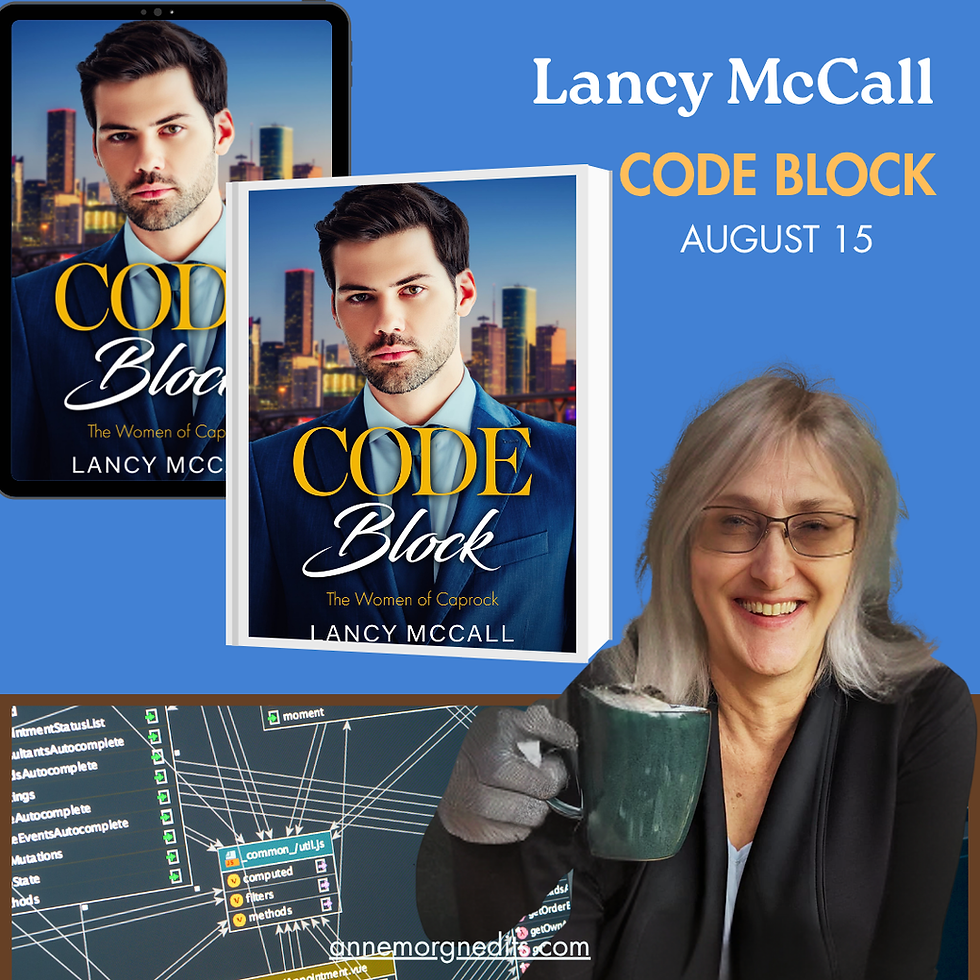
You see this a lot in romance right now, but I've seen it in a few other genres as well. Check out Instagram, TikTok, etc. and you'll start seeing cover images with call outs for certain tropes that authors know readers enjoy and actively search for. On the left is an example of a call out for contemporary author Lancy McCall's book CODE BLOCK. See how she's highlighting a number of popular tropes you can expect to see when you read her book?
Any online bookstore should let you include keywords when you sell your book through them, and tropes are great keywords to use because, again, people actively search for them. Same thing when you're writing your blurb. Check out some of the top sellers in your genre. What are they doing with tropes that might inspire you? I've seens a few authors who put a trope description as a subtitle to their book (ex: "A Grumpy/Sunshine Romance") but I don't recommend you do that. Tropes are a constantly growing and developing trend and the language changes over time. It's much easier to change your book's metadata than it's subtitle! Keep on top of the most current language through online forums, chats, etc. to make sure you're using what's most searchable at the moment (Kindlepreneur and PublisherRocket are two good sources to check out), but think of it this way: you've already done the work, written the book, read other books to get the most out of tropes. Why not have them work for you here too?
Are you looking for a manuscript evaluation, developmental editor, writing, or marketing coach? Contact me and let’s talk about your project!

Comments